KATO Koji “Instant Demo (Demo Practice)”
- TOP >
- Archives >
- Exhibitions / Performances >
- KATO Koji “Instant Demo (Demo Practice)”
KATO Koji “Instant Demo (Demo Practice)”
OPEN SITE 10 | Open Call Program【dot】
In this workshop, participants wear things such as colorful placards, flags,
and helmets as they engage in dialogue with each other about art-based
demonstrations, and practice staging their own demonstrations.
Each
participant expresses their own grievances and complaints regarding
their daily lives, and marches freely in the clothes they have chosen.
The
workshop functions both as a platform for gathering and disseminating
a wide variety of opinions and as a way of preparing for what might lie
ahead in the not-so-distant future.
| Period | Oct 25 (Sat) - Oct 26 (Sun), 2025 |
|---|---|
| Time | 11:00 – 19:00 (until 16:30 on the final day) *The closing time on the final day has been changed. |
| Admission | Free |
| Venue | Tokyo Arts and Space Hongo: Space C (3F) |
| Cooperation | NOBORU ELCTRIC Co., Ltd. |
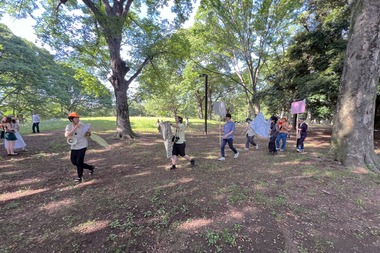
“Instant Demo (Demo Practice)” Workshop 2024
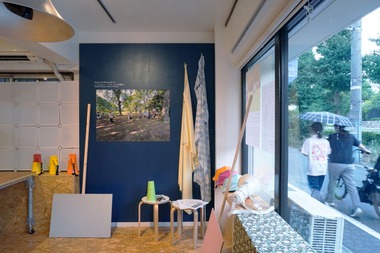
“Instant Demo (Demo Practice)” Workshop 2024
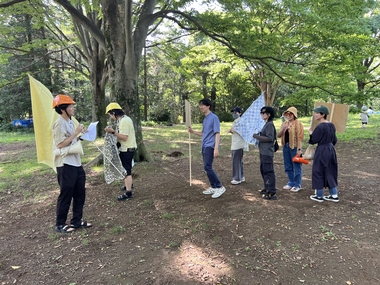
“Instant Demo (Demo Practice)” Workshop 2024
Talk “Art as Demonstration, or Social Practice”
| Date | Oct 25 (Sat), 2025 13:00-14:30 |
|---|---|
| Guest | IKEDA Kaho (Independent Curator) |
| Admission | Free |
| Venue | Tokyo Arts and Space Hongo: Space C (3F) |
| Language | Japanese |
Workshop “Instant Demo ‘Demo Practice’”
| Date | Oct 26 (Sun), 2025 13:00-15:00 |
|---|---|
| Admission | Free - Booking required. - Booking opens from 14:00 on Sep 12 (Fri), 2025. - Booking will close if it's full or at 17:00 the day before the workshop. |
| Venue | Tokyo Arts and Space Hongo: Space C (3F) |
| Language | Japanese |

Ticket bookings available from 14:00 on September 12 (Fri)!
Go to the booking website (Peatix).
*Peatix account required to book tickets.
Profile
Kato Koji creates social and political works based on historical and personal narratives.
In parallel to his individual
activities, he oversees AIR projects, studio management, and other art projects from the perspective of social practice,
creating a platform that links art with society.
Recent activities: “Instant Demo (Demo Practice),” SPACE NOBORU,
Tokyo, 2024, “The Constitution of Japan Exhibition 2024,” MISA SHIN GALLERY, Tokyo.
www.kojikato.info/
Review
Nagging is a starting point for social practice
KONDO Yuki (OPEN SITE 10 Jury member / Program Director, Tokyo Arts and Space)
Instant Demo (Demo Practice) is a workshop in which Kato Koji engages in dialogue with participants as they rehearse forms of public demonstration. Demonstrations are gatherings at which people assert their views and send a message of solidarity to society or institutions. Here, however, Kato reframes these events not as settings in which a group delivers a unified message, but as spaces where each participant can speak freely as an individual. As a result, unlike at ordinary protests or marches, the statements voiced by participants center on experiences drawn from daily life, and words serve as manifestations of personal feelings and opinions.
The workshop opened with a historical overview of demonstrations in Japan in which artists and cultural figures have taken part, introducing precedents that spoke to the artist’s concerns and his interest in how protest and art intersect. Participants then shared everyday frustrations, chose words they wanted to voice, adjusted them so they could be spoken in a steady rhythm, and assembled a sequence of chants that linked together everyone’s chosen words. After practicing the chants, they took up “stylish” demonstration gear, including banners covered with Scandinavian-patterned fabric and colorful megaphones and helmets. They then formed a procession through the building chanting together, and at the end shared their reflections on the experience. Most participants were interested in protests but had never joined one. Although they spoke hesitantly at first, as the repetitions continued they gradually raised their voices with growing confidence, waving flags and placards with clear enjoyment.
This workshop, first conducted in Yoyogi Park in 2024, reflects the stance underlying Kato’s long-standing efforts to connect art and society through his works and projects. This theme was discussed in the artist talk Art as Demonstration, or Social Practice with independent curator Ikeda Kaho, held the day before the workshop. The talk outlined Ikeda’s past activities and her curatorial approach, using examples from Indonesian contemporary art, and clarified the concern shared by both speakers: how to pursue social practice through art and other cultural activities. Rather than beginning by presenting works or exhibitions as ready-made platforms for dialogue, their approach relies on using available resources bricolage-style so as to explore different forms of dialogue and sharing, build relationships, and form communities through the small ties that emerge along the way. In this sense, it is a practice aimed at shaping an experimental space through art, refining its methods by allowing the activities and voices that arise there to gain autonomy, and releasing them into society so they connect with people beyond the immediate community and help form a cultural ecosystem.
In Kato’s “demo practice through art,” rather than directing everyone toward a single message, he creates a setting where participants can share the subtle sense of unease they encounter in daily life. When shaping these messages, he deliberately avoids specific critiques and overt political content (areas in which opinions tend to diverge) so as to prevent forced consensus, division, and exclusion. At the same time, he encourages participants to recognize how these everyday sensations of unease connect to broader issues. By voicing words shaped by their own experiences and chanting them together, participants come to feel, through the process itself, the possibility of small moments of solidarity. The singsong chants and “stylish” gear designed to avoid impressions of militancy or violence function as devices that recast the image of Japanese protest marches, which after World War II often appeared open only to those with unwavering ideologies. These devices help transform demonstrations into settings that feel more open and buoyant, where speaking out can even become an act of joy.
It is true that such methods may feel too soft and sweet to those with actual protest experience. They may also seem to appropriate the anything-goes atmosphere seen in, for example, Southeast Asian anti-regime movements, while overlooking the harsh realities that drive them. But the aim here is different. It is a kind of rehearsal, a step before direct resistance, a means of sustaining a flexible mode of opposition. It offers a form of resilience in a country where freedom and restriction coexist in a vague, tightening pressure that can feel suffocating, as if one’s neck were being constricted with soft silk. It can also be seen as a response to the sense of insularity and stagnation that at times surrounds contemporary art in Japan, in which rising indignation, desire for change, or growing politicization can push artists ever further from the wider world and leave them mired in despondency.
Participating Creator
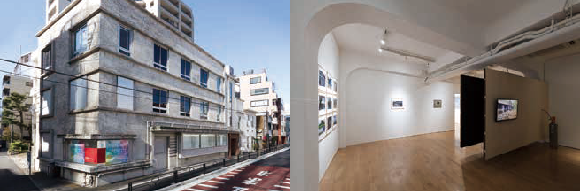
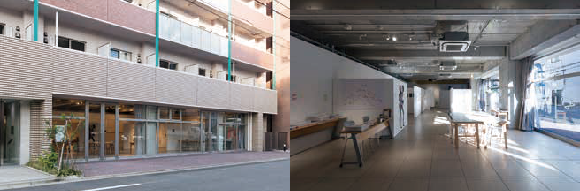
Our Facilities